

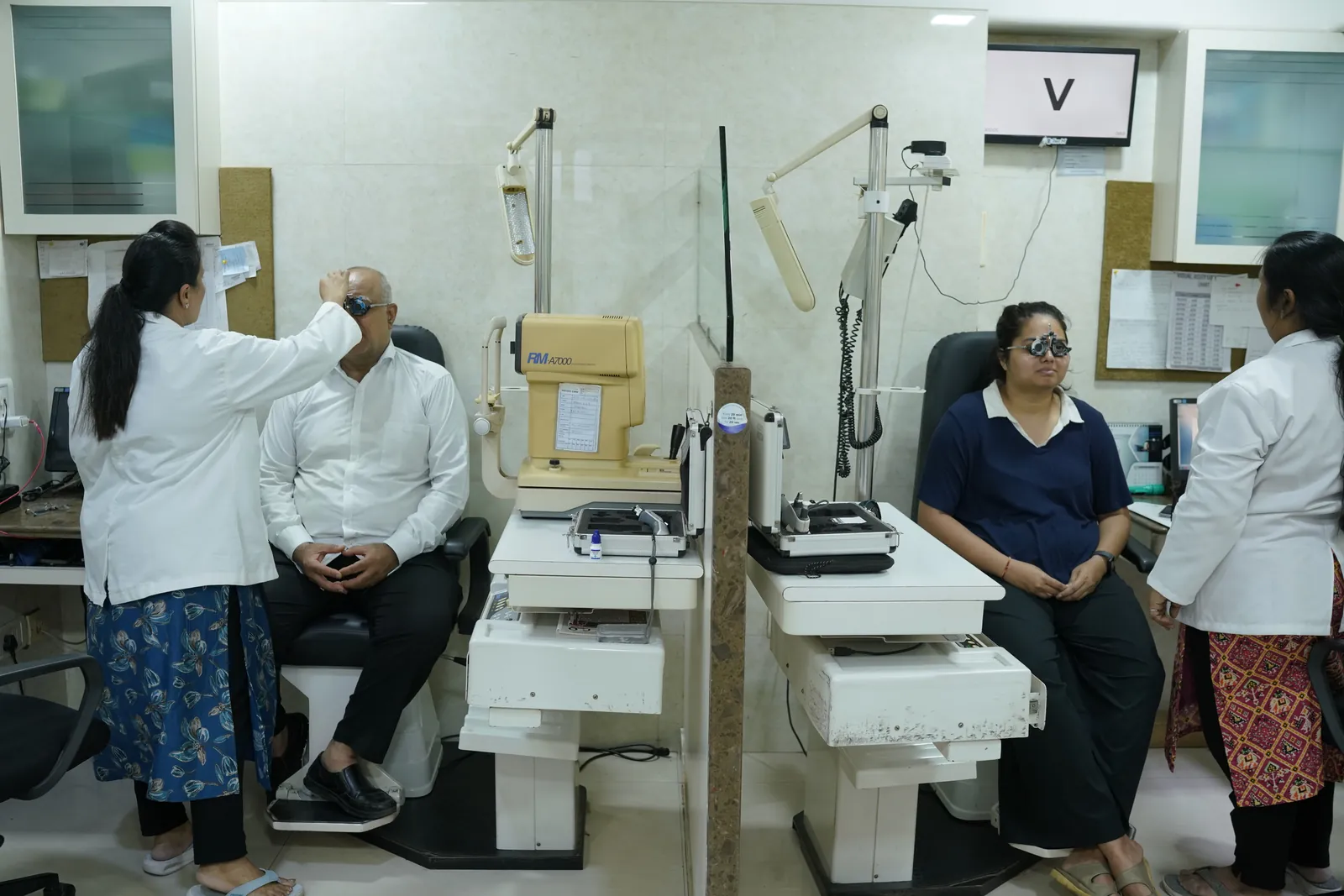
In short
Vision therapy is a course of eye exercises that trains the eyes to focus and work together. The evidence is strongest for convergence insufficiency, where the eyes struggle to stay lined up for close work. It can also help some children with a lazy eye or certain kinds of squint, alongside glasses or patching. We assess first and tell you honestly whether it is likely to help.
What is Vision Therapy?
Vision therapy is like a personal training program for your eyes and brain. It involves a series of exercises and activities designed to improve visual skills and enhance the way your brain processes visual information. Think of it as a workout that helps your eyes and brain work together more effectively, leading to improved coordination, focus, and overall visual performance.
Doctor-led eye care in Malad West since 1989, with every specialty under one roof.
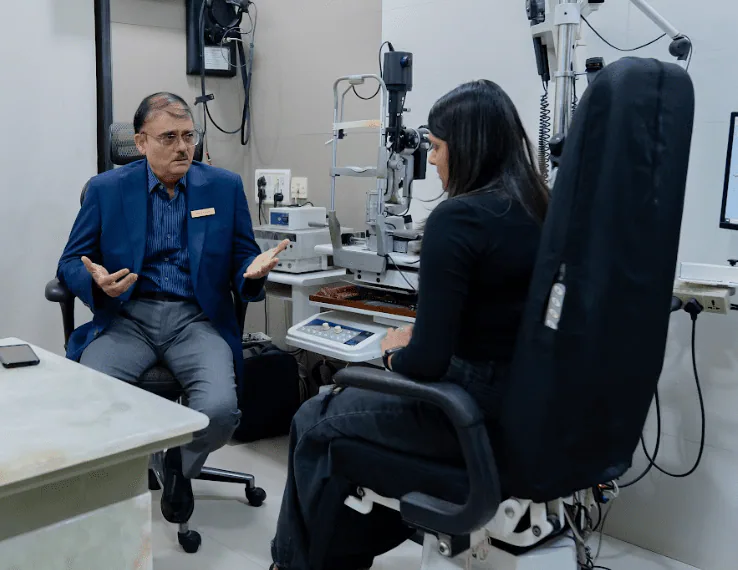
Why and When Consider Vision Therapy?
- Enhance Daily Life: If you find reading, focusing, or seeing objects clearly challenging, vision therapy can make a real difference.
- Overcome Learning Challenges: Children struggling with reading or learning may benefit from vision therapy, helping to unlock their potential in school.
- Correct Eye Misalignment: For those dealing with conditions like strabismus (crossed eyes), vision therapy can provide the tools needed to align and strengthen eye muscles.
Vision therapy isn’t just about fixing vision problems; it’s about helping you see the world better and enjoy life to the fullest!
Common Vision Problems Treated Through Vision Therapy
Here are some common issues that vision therapy can help with:
- Strabismus (Crossed Eyes): When the eyes don’t align properly, leading to double vision or poor depth perception.
- Amblyopia (Lazy Eye): A condition where one eye doesn’t develop proper vision, often due to lack of use.
- Convergence Insufficiency: Difficulty in maintaining proper alignment of the eyes when focusing on near objects.
- Visual Processing Disorders: Trouble in interpreting and understanding visual information, which can affect learning and daily activities.
By targeting these issues, vision therapy can lead to improved eye health and better quality of life.
How Vision Therapy Works
Vision therapy typically involves personalized exercises, often done with the guidance of an eye care professional. Here’s how it generally unfolds:
- Initial Assessment: Your journey begins with a thorough evaluation of your vision and visual skills.
- Customized Plan: Based on the assessment, a tailored program is created, focusing on specific goals like improving eye coordination, focusing abilities, or visual processing.
- Engaging Activities: The therapy includes fun and interactive exercises that may involve eye tracking, focusing tasks, and games designed to strengthen visual skills.
These exercises are not just about improving sight; they help the brain learn to process visual information more effectively, leading to better performance in everyday tasks.
Who Can Benefit from Vision Therapy?
Vision therapy isn’t just for children; it can benefit people of all ages! Here’s who might consider it:
- Children: Particularly those struggling with learning or having difficulty in school due to vision issues.
- Adults: Those who may experience vision-related difficulties due to aging or injuries affecting their vision.
- Athletes: Individuals looking to enhance their visual skills for improved performance in their sport.
No matter your age or lifestyle, if you’re facing vision challenges, vision therapy could be the right choice for you.
What to Expect in Vision Therapy Sessions
When you begin vision therapy, you might wonder what to expect. Here’s a peek into a typical session:
- Friendly Atmosphere: Each session is conducted in a welcoming environment where you’ll feel comfortable.
- Guided Exercises: Under the supervision of a trained professional, you’ll participate in a variety of exercises tailored to your specific needs.
- Progress Tracking: Your therapist will monitor your progress and make adjustments to ensure you’re on the path to improvement.
As you work through the sessions, you’ll likely find that your vision improves, and daily activities become easier and more enjoyable. Vision therapy is a journey toward clearer vision and a brighter future!
Why Choose Akshar Eye Clinic for Your Vision Treatment?
At Akshar Eye Clinic, we’re more than just a clinic—we’re a community hub for eye care in Malad West. We also reach out to our neighbors in Kandivali, Borivali, Goregaon, Charkop, Mahavir Nagar, Orlem, Thakur Complex, Thakur Village and Dindoshi.
Our approach goes beyond simply fitting you with contact lenses; we take the time to get to know you and your lifestyle. Our experienced team is here to listen, guide, and support you at every step, ensuring you leave our clinic not just with satisfaction, but with newfound confidence in your vision.
Questions about your eyes?
Book a consultation with our eye specialists.
Frequently asked questions
What conditions can benefit from vision therapy?
Vision therapy is effective for conditions like convergence insufficiency, eye coordination issues, and visual processing disorders.
How are vision therapy sessions structured?
Sessions typically involve a series of visual exercises tailored to improve specific skills, with progress monitored regularly.
What should I expect during a vision therapy evaluation?
The evaluation includes a comprehensive assessment of visual skills and a discussion of your specific challenges and goals.
Is vision therapy effective?
Yes, many patients experience significant improvements in their visual skills after therapy.
What types of exercises are included in vision therapy?
Exercises may include eye movement control, focusing techniques, and coordination tasks.
Where can I find vision therapy services near me?
Akshar Eye Clinic provides vision therapy services in Malad West.
Does Akshar Eye Clinic offer vision therapy in Mumbai?
Yes, we offer comprehensive vision therapy services for residents in Mumbai.
How do I know if my child needs vision therapy?
If your child needs vision therapy, initial signs may include difficulty reading, squinting, or frequent headaches. Consult with us for an evaluation.
This information is for general education. Please speak with an eye specialist about your individual care.