

In short
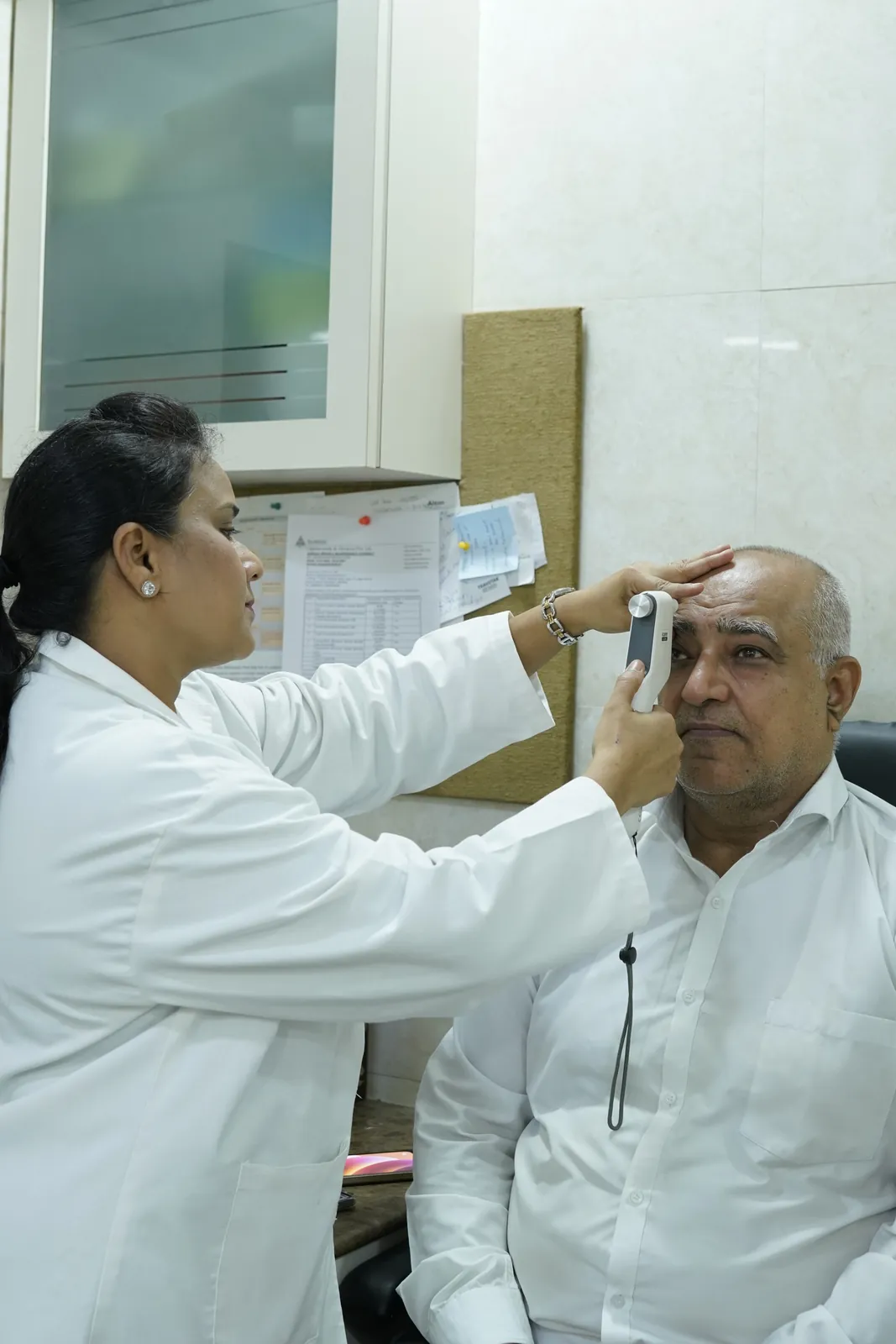
Glaucoma slowly damages the optic nerve, often because the pressure inside the eye is too high, and in most people it causes no symptoms until a lot of sight has gone. That lost sight can't be brought back, so the aim is to find it early and stop it getting worse. We check the eye pressure, the optic nerve and your field of vision, and treat with drops, laser or surgery depending on the stage.
What is Glaucoma?
Glaucoma is a group of eye diseases that damage the optic nerve, which is essential for good vision. Often, this damage is caused by increased eye pressure (intraocular pressure).
If left untreated, glaucoma can lead to vision loss and even blindness. It is sometimes called the "silent thief of sight" because it usually has no symptoms in its early stages.
Doctor-led eye care in Malad West since 1989, with every specialty under one roof.
Types of Glaucoma: Open-Angle and Angle-Closure
There are two main types of glaucoma: open-angle glaucoma and angle-closure glaucoma.
- Open-angle glaucoma is the most common form. It occurs when the drainage canals in the eye become clogged over time, leading to increased eye pressure. You may not notice any symptoms until significant damage has occurred.
- Angle-closure glaucoma is less common but more serious. It happens when the iris (the colored part of the eye) is too close to the drainage angle, causing a sudden rise in eye pressure. This can lead to severe symptoms, including headache, nausea, and blurred vision .
Symptoms of Glaucoma You Shouldn't Ignore
Early stages of glaucoma often don't show symptoms, making regular eye exams vital. However, if you experience any of the following symptoms, you should consult a healthcare professional immediately:
- Blurred vision
- Seeing halos around lights
- Sudden loss of vision
- Severe headache or eye pain
- Nausea or vomiting
- Frequent changing of refractive error (number of the glasses)
- Loss of side (peripheral) vision
- Difficulty to see at night (in dim lights)
These symptoms could indicate an emergency, especially in cases of angle-closure glaucoma.
Who is at risk?
- Individuals more than age of 40 years.
- Individuals with family history.
- High myopia/hypermetropia.
- Individuals with history of eye injury.
Suspect you may have Glaucoma?
Questions about glaucoma? Book a consultation with our glaucoma specialist.
Treatment Options for Glaucoma
There are several treatment options for glaucoma. Your doctor will choose the best one based on the type and severity of your condition:
- Medications and eye drops are commonly used to lower eye pressure. These help the eye drain fluid better or reduce fluid production.
- Laser therapy for glaucoma is another effective option. It can help improve drainage and lower eye pressure.
- Minimally invasive glaucoma surgery (MIGS) is less invasive and can provide effective results with a quicker recovery time.
- Traditional glaucoma surgery, such as trabeculectomy, creates a new drainage pathway for fluid to leave the eye, reducing eye pressure .
How glaucoma is treated
| Option | What it does | Typically used for |
|---|---|---|
| Eye drops | Lower the eye pressure | Most patients, first |
| Laser (SLT) | Helps fluid drain out of the eye | When drops aren't enough, or instead of drops |
| MIGS | Small-incision surgery with a quicker recovery | Mild to moderate glaucoma |
| Trabeculectomy | Creates a new drainage channel | Advanced or uncontrolled glaucoma |
| Drainage implant (e.g. Ahmed valve) | A small tube that drains fluid | When other surgery hasn't controlled it |
Glaucoma care in Malad West, Mumbai
Finding a qualified glaucoma specialist in Mumbai is essential for effective treatment. Start by looking for clinics that have experienced eye doctors specializing in glaucoma. You can ask your primary care doctor for a referral. Located in Malad, Akshar Eye Clinic provides a full range of eye care services, from glaucoma care and cataract treatment to general eye check-ups.
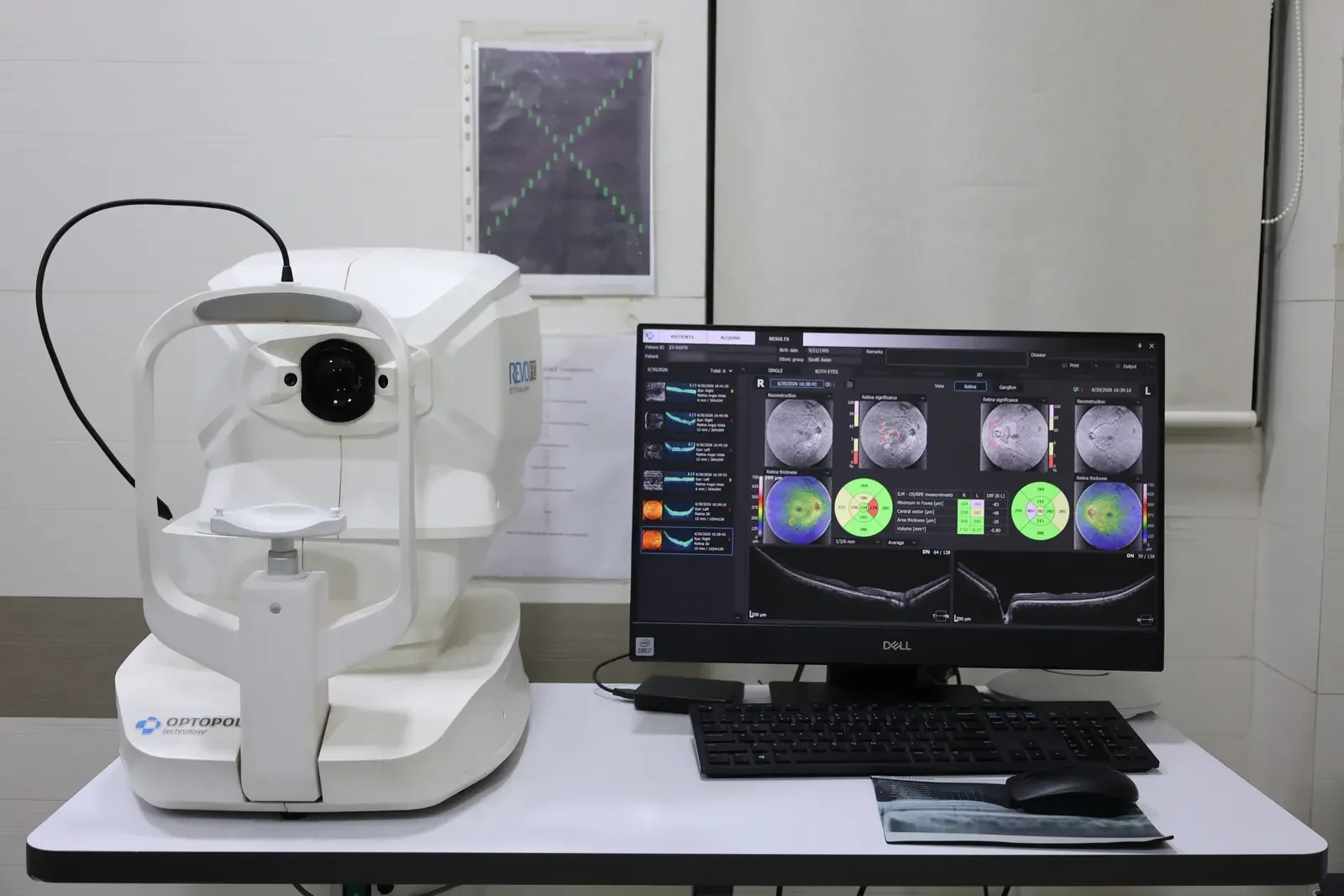
People from all nearby localities, including Kandivali, Borivali, Goregaon, Charkop, Mahavir Nagar, Orlem, Thakur Complex, Thakur Village and Dindoshi, can easily reach our clinic for consultations. When you visit Akshar Eye Clinic, you can expect a thorough evaluation of your condition. Our team uses modern diagnostic equipment to assess your eyes and explain the treatment options for your glaucoma.
Frequently asked questions
What tests are conducted for glaucoma diagnosis?
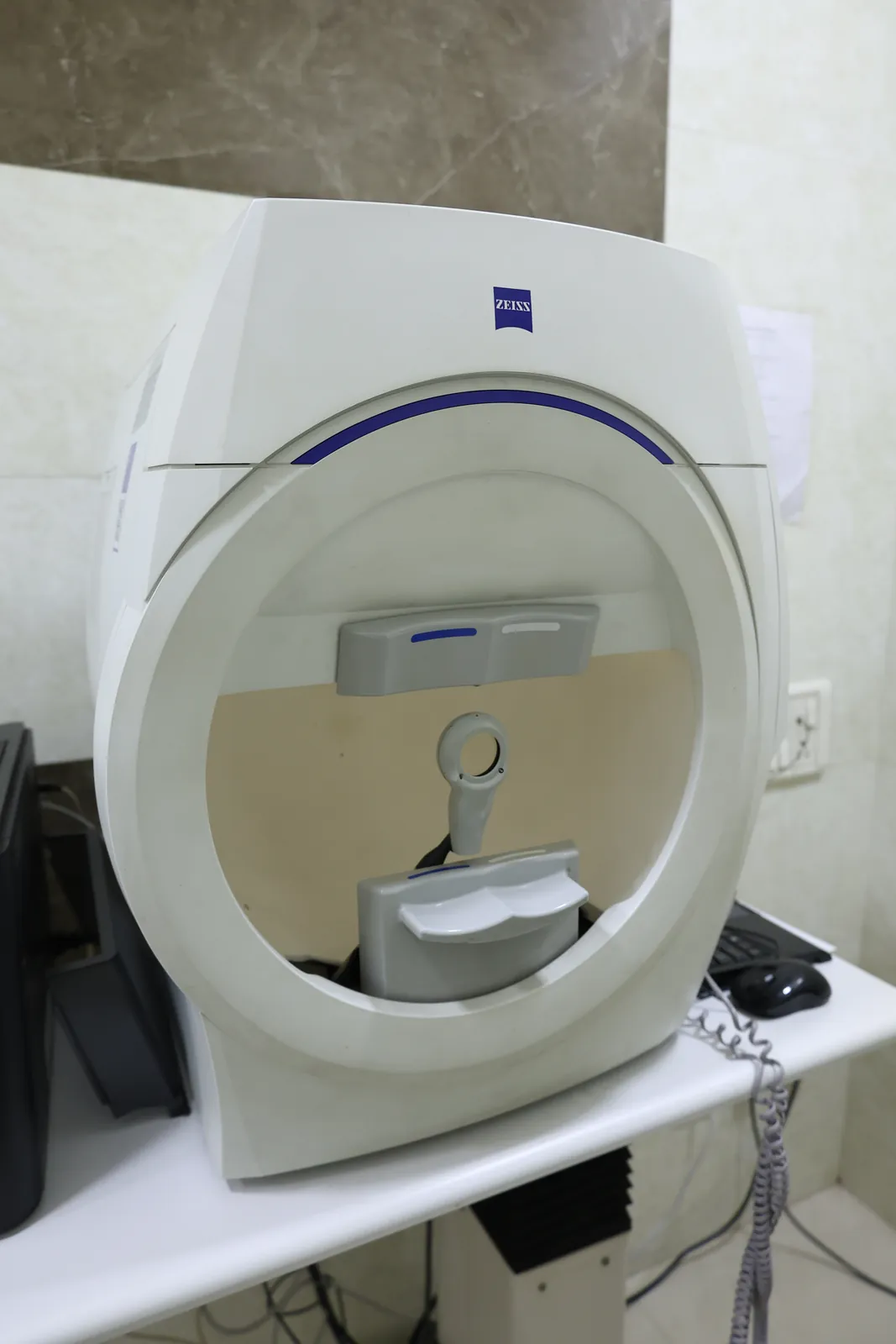
We perform comprehensive eye examinations, including tonometry, visual field tests, and optic nerve assessments to accurately diagnose glaucoma.
How is glaucoma treated at your clinic?
Treatment options may include prescription eye drops, oral medications, laser treatments, or surgical interventions, depending on the severity of the condition.
Can glaucoma be prevented?
While it cannot be completely prevented, regular eye exams can help detect it early, reducing the risk of vision loss.
Can I be at a risk? I don’t have above symptoms and/or family history.
Maybe yes, only an eye checkup can detect glaucoma. We'd recommend seeing an eye specialist to confirm.
Can glaucoma be treated?
Glaucoma can be managed with medications, laser treatment, or surgery, depending on the severity.
Is there a cure for glaucoma?
There is no cure, but it can be controlled with proper treatment.
Where can I find glaucoma services near me?
Akshar Eye Clinic offers specialized glaucoma services in Malad.
Does Akshar Eye Clinic provide glaucoma services in Mumbai?
Yes, we provide comprehensive glaucoma services for patients in Mumbai.
How often should I get tested for glaucoma?
It's recommended to have regular eye exams, especially if you're over 40 or have risk factors.
This information is for general education. Please speak with an eye specialist about your individual care.