In short
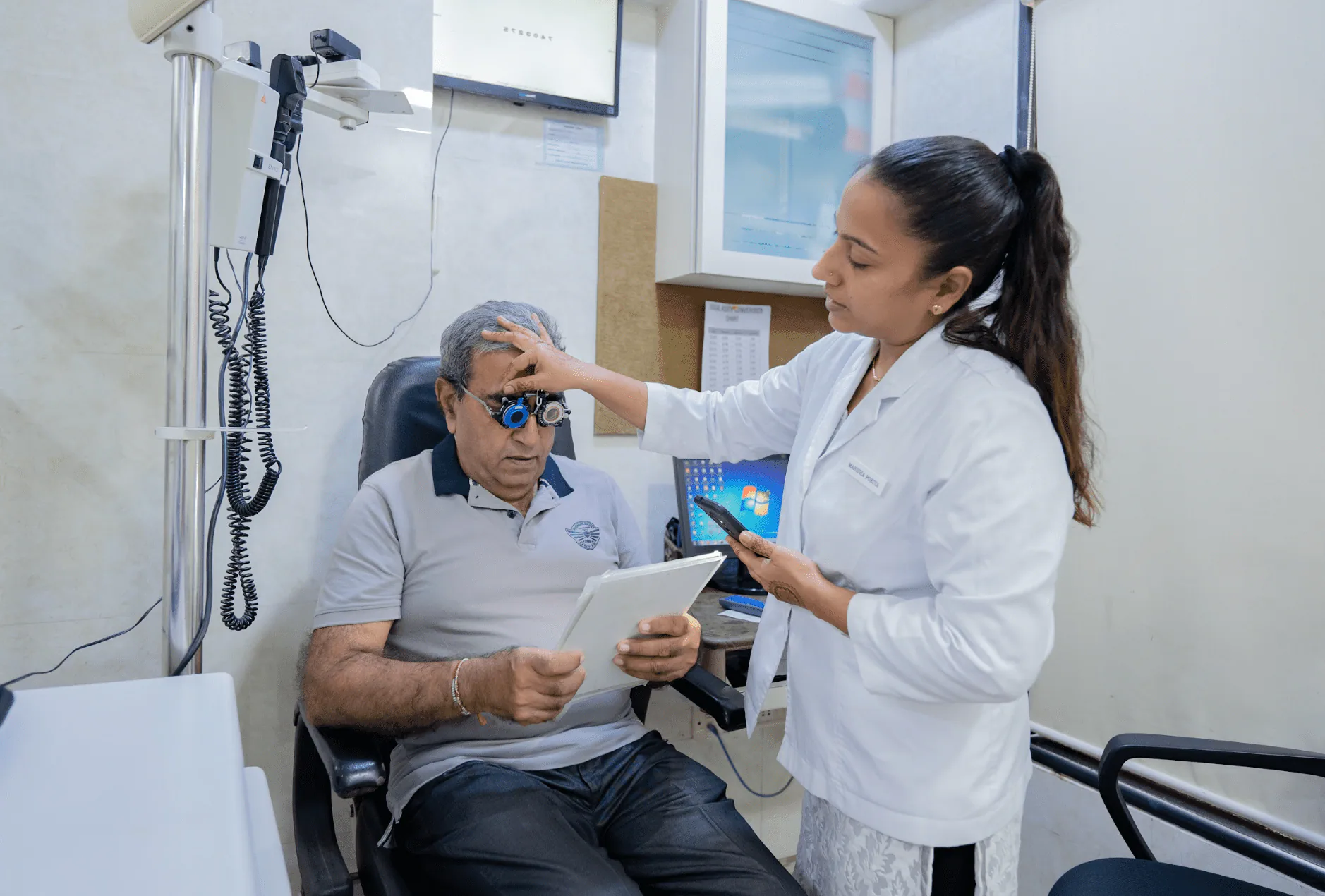
Low vision means sight that stays poor even with the best glasses, contact lenses or surgery, often after macular degeneration, diabetic retinopathy or glaucoma. It can't be cured, but a lot can be done with the sight that's left. We ask what you want to be able to do, whether that's reading, cooking or recognising faces, then fit magnifiers, telescopic glasses or electronic aids to match and show you how to use them.
Understanding Low Vision
Low vision refers to a significant reduction in sight that can’t be fully corrected with regular glasses, contact lenses, or surgery. It’s like trying to see through a foggy window—everything is there, but it’s just not clear. People with low vision may struggle with everyday tasks, making life a bit more challenging. Knowing what low vision is can help you understand the options available to enhance your sight and improve your quality of life.
Doctor-led eye care in Malad West since 1989, with every specialty under one roof.
Common Causes of Low Vision
Several factors can contribute to low vision. Here are a few of the most common causes:
- Age-related macular degeneration (AMD): You may find it hard to see details clearly as the center of your vision starts to fade.
- Diabetic retinopathy: If you have diabetes, your eyes might get damaged, causing blurry vision or dark spots.
- Glaucoma: You could experience vision loss due to increased pressure in your eyes that harms your optic nerve.
- Retinitis pigmentosa: This genetic condition may lead you to lose your side vision gradually, making it tough to see at night.
- Cataracts: You might notice your vision getting cloudy or blurry, especially when trying to see at night.
- Eye injuries or infections: Any damage or infection in your eye can cause pain and affect how well you see.
Low vision can affect anyone, but it often becomes more prevalent with age or as a result of certain health conditions. By identifying the cause, we can work together to find the right solutions to help you navigate life with confidence.
If you have macular degeneration, you can check each eye at home with our Amsler grid.
Types of Low Vision Aids Available
There’s a world of assistive devices designed to help you see better, and they come in many forms. Here are some popular low vision aids:
- Magnifying glasses: These are great for reading small print or examining details.
- Handheld magnifiers: Perfect for on-the-go use, allowing you to easily carry them with you.
- Electronic magnifiers: These devices can enlarge text and images on a screen, making reading a breeze.
- Telescopic lenses: Ideal for seeing things at a distance, like street signs or faces.
- Lighting solutions: Specialized lights can make a significant difference in visibility.
These aids are designed to fit into your daily life, giving you more independence and helping you enjoy the little things again.
How Low Vision Aids Can Enhance Your Daily Life
Imagine being able to read your favorite book, see the faces of loved ones, or even enjoy hobbies like gardening or crafting. Low vision aids can help make all of this possible! By tailoring solutions to your specific needs, we empower you to take control of your vision and make daily tasks easier and more enjoyable. With the right tools, you can reclaim your independence and continue to engage in the activities you love.
Vision Rehabilitation: A Path to Independence
Vision rehabilitation is a crucial step for those experiencing low vision. It’s all about learning how to use your remaining vision effectively, like turning down the foggy haze and bringing things into focus. This process may include:
- Personalized training sessions: Learn techniques to enhance your vision.
- Advice on daily living skills: Get tips on managing activities around the home.
- Support groups: Connect with others who understand what you’re going through.
By participating in vision rehabilitation, you’ll gain confidence in navigating your world and develop strategies to live independently.
Why Choose Akshar Eye Clinic for Low Vision Support?
We are located in Malad West. We also cater to surrounding areas like Kandivali, Borivali, Goregaon, Charkop, Mahavir Nagar, Orlem, Thakur Complex, Thakur Village and Dindoshi. we’re dedicated to providing compassionate care tailored to your unique needs. Our team of specialists understands the challenges of low vision and is committed to helping you find the right aids and rehabilitation strategies to improve your life. With our supportive environment, you’ll feel comfortable exploring your options and finding solutions that work for you. Don’t let low vision hold you back—let us help you see the world more clearly!
Questions about your eyes?
Book a consultation with our eye specialists.
Frequently asked questions
What types of aids are available for low vision patients?
We offer a variety of aids, including magnifiers, specialized glasses, and electronic devices designed to enhance visual capabilities.
Can you assist with personalized low vision rehabilitation plans?
Yes, our team develops individualized rehabilitation plans to help patients maximize their remaining vision and improve daily functioning.
Are there support groups for individuals with low vision?
We can connect patients with support groups and resources to provide additional guidance and community support.
What is the fee for services at the Low Visual Aid Centre?
Fees vary based on services and aids provided; consult with us for specific information.
Can children use low vision aids?
Yes, low vision aids are available for individuals of all ages, including children.
Where can I find low vision services near me?
Akshar Eye Clinic offers low vision services in Malad.
Does Akshar Eye Clinic provide low vision services in Mumbai?
Yes, we offer comprehensive low vision services for residents in Mumbai.
What types of low vision aids are available?
Available aids include magnifiers, specialized glasses, and electronic devices designed for low vision.
This information is for general education. Please speak with an eye specialist about your individual care.